VIGNAN'S INSTITUTE OF MANAGEMENT AND TECHNOLOGY FOR WOMEN
An Autonomous Institution, Approved by AICTE and Affiliated to JNTUHCounselling Codes
ECET / EAMCET-VMTWPGECET-VMTW1




Environmental Sustainability
The campus is beautifully landscaped in a lush green stretch of land spread over in 22 acres with built-up area (include Roads) is 40% and plantation area is 60%. The institute being situated with more than 50% of open land has a natural breeze around the year and is pollution-free.
CARBON NEUTRALITY EFFORT BY TREE PLANTATION:
The campus is eco-friendly and landscaped with extensive gardens, plantation with recycled water. The campus is maintained as non-smoking zone.
The area is immensely diverse with a variety of tree species performing a variety of functions.
- There are total 20 types of trees and 30 types of plants in the Institute.
- More than 3000 tree and plants in the institute.
- Total dissolved Solids are 340 as capered to agreeable levels of 500.
Most of these tree species are planted in different periods of time through various plantation program organized by the authority and have become an integral part of the institute. The trees of the institute have increased the quality of life, not only the institute fraternity but also the people around of the institute in terms of contributing to our environment by providing oxygen, improving air quality, climate amelioration, conservation of water, preserving soil, and supporting wildlife, controlling climate by moderating the effects of the sun, rain and wind. Leaves absorb and filter the sun’s radiant energy, keeping things cool in summer. Many spices of birds are dependent on these trees mainly for food and shelter. Nectar of flowers and plants is a favorite of birds and many insects. Leaf – covered branches keep many animals, such as birds and squirrels, out of reach of predators.
After collecting the waste from all around the institute, waste segregation has been done into dry waste and wet waste. Dry waste includes paper, cardboard, glass tin cans etc. Wet waste on the other hand, refers to organic waste such as vegetable seeds, left-over food etc. The material was composted and evaluated as a fertilizing material. Composting of these waste resulted in the production of good quality materials that can be used as soil amendments and source of plant nutrients.
The biological reusable waste generated are processed as organic manure for the plants available in the campus and the other solid waste generated in the campus is taken to the community bin of Ghatkesar Municipality for recycling and disposal.
- Wooden scraps found on campus are reused in mending damaged furniture.
- Paper waste is sold to vendors for recycling at regular intervals.
- NSS regularly conduct campus cleaning drives, and also help to segregate waste after institute events.
- Students also reuse solid waste to make decorative items for institute cultural events.
RAIN WATER HARVESTING STRUCTURES AND UTILIZATION:
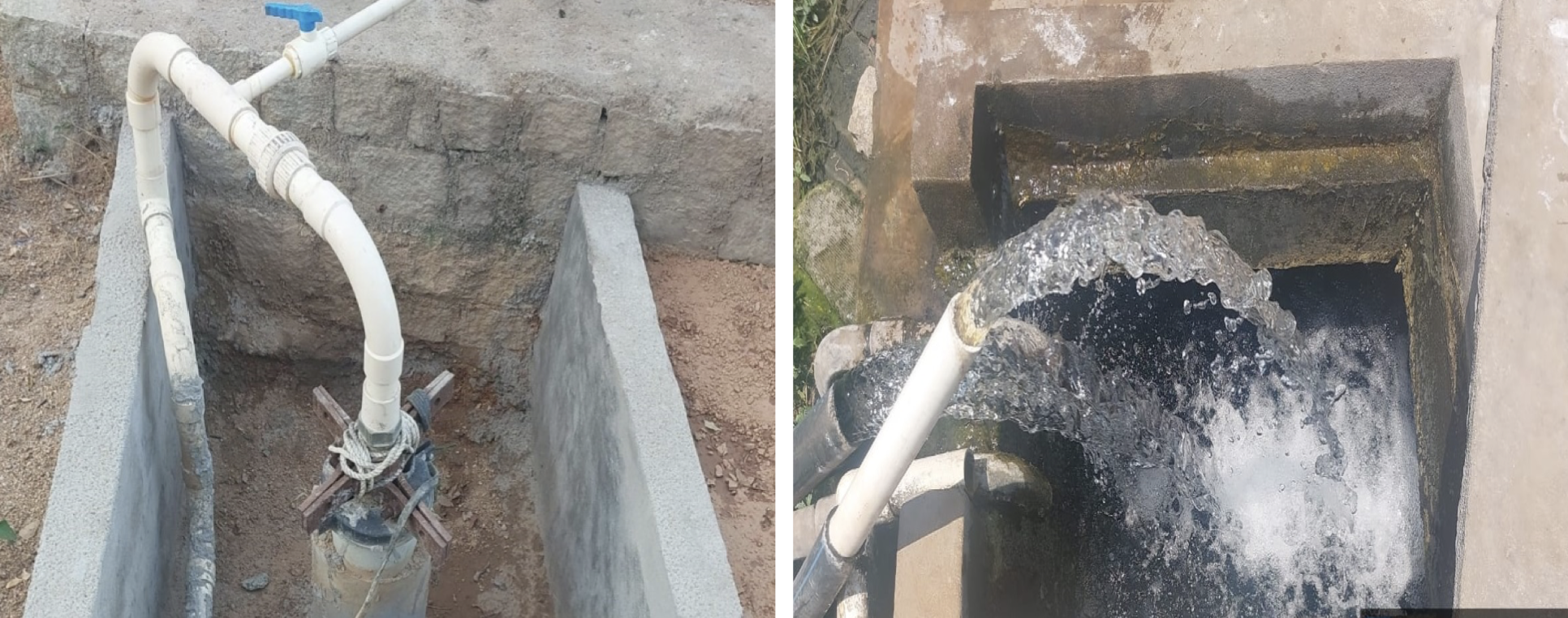
The Institute guarantees that the water wastage is limited at an ideal dimension and the flawed taps and pipes are under normal check and subsequently no loss of water is watched, neither by any spillages nor by flood from overhead tanks. The institute has actualized water reaping (RWH) inside its grounds for putting away and reuse of water in all building’s blocks of the institute.
- RWH wells were laid in various places of the institute to ensure the proper percolation of rainwater to recharge and replenish the ground water.
- Borewell has been dig up to recharge the ground water.
ENVIRONMENT AWARENESS TO STUDENTS & PUBLIC :
- Campus cleaning day is followed periodically with about 200 students participating as part of awareness creation.
- Environmental Awareness Program is conducted on biodiversity conservation, vermicomposting, land degradation and drought awareness to public including local villagers in Kondapur & Ghatkesar village, Medchal – Malkajgiri district by student and staff volunteers.